Evaluating Folk Art-Inspired Digital Paintings for Modern Design
The intersection of traditional craftsmanship and modern technology has given rise to a distinctive category of visual art: Folk Art-Inspired Digital Paintings. This genre merges the rustic, narrative-driven aesthetics of historical folk traditions with the precision and versatility of digital media. For designers, decorators, and art enthusiasts, understanding the nuances of this style is essential for determining its suitability for specific projects. Unlike purely traditional mediums, these digital works offer unique advantages in scalability and application, while retaining the emotional warmth and cultural resonance associated with handcrafted artifacts.
Defining the Aesthetic and Technical Composition
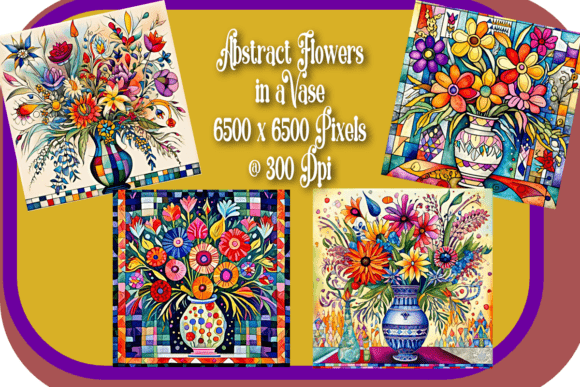
At its core, this artistic approach combines abstract floral designs with a curated mix of warm and cool hues. The visual language is characterized by a blend of folk motifs—such as geometric patterns, mosaic-inspired structures, and stylized natural elements—with contemporary abstract expression. A defining feature of high-quality collections in this niche is the technical specification. For instance, premium files are often rendered at high resolutions, such as 6500x6500 pixels at 300 DPI. This level of detail ensures that the intricate textures of decorative vases and the subtle gradients of sun-kissed yellows or deep blues remain crisp, whether viewed on a screen or printed on large-format canvas.
The subject matter typically revolves around stylized bouquets held within ornamental vessels. These are not merely botanical illustrations; they are compositions that tell a story through pattern and color. The inclusion of still-life elements, such as fruits and tableware, adds layers of domestic charm and contextual depth. The result is a harmonious merging of geometric rigor and organic fluidity, creating pieces that feel both whimsical and sophisticated.
Reasons for Interest and Potential Benefits
Individuals and professionals may seek out Folk Art-Inspired Digital Paintings for several practical and aesthetic reasons. Understanding these benefits helps in evaluating whether this style aligns with your creative goals.
- Versatility in Application: The high-resolution nature of digital files allows for diverse uses. These images can serve as central focal points in interior design, be printed on textiles for fashion or home goods, or be used as assets in graphic design projects without loss of quality.
- Cultural and Emotional Resonance: Folk art traditionally evokes feelings of nostalgia, community, and heritage. By digitizing these styles, artists preserve the ambient charm of traditional crafts while making them accessible for modern contexts. This can add warmth and personality to minimalist or industrial spaces.
- Visual Complexity and Depth: The combination of bold, vivid renditions of modern abstract art with meticulous geometric patterns offers significant visual interest. The contrast between deep purples and spirited oranges, or the interplay between detailed vase textures and soft floral forms, provides a rich viewing experience that rewards closer inspection.
- Cost-Effectiveness and Accessibility: Compared to commissioning original physical paintings, acquiring high-quality digital licenses or prints can be more affordable. Furthermore, digital formats eliminate shipping constraints and allow for instant access to the artwork.
Tradeoffs and Practical Considerations
While the benefits are substantial, there are tradeoffs and considerations to keep in mind when selecting this type of art. A balanced evaluation requires acknowledging limitations.
The "Digital" Perception: Some purists may prefer the tangible texture of paint on canvas or the irregularities inherent in hand-made folk art. Digital perfection, while technically impressive, can sometimes lack the accidental beauty of physical media. However, many modern digital artists intentionally incorporate textured brushes and imperfect lines to mimic this organic feel.
Color Management: The vibrant mix of warm and cool hues looks stunning on calibrated monitors. However, translating these colors to physical prints requires careful color management. The rich purples and deep blues may appear differently depending on the printing substrate and ink profile. Users must ensure their printing partners can handle wide-gamut color spaces to preserve the intended vibrancy.
Style Compatibility: The bold geometric and mosaic-inspired patterns are distinctive. While they can elevate a space, they may clash with interiors that rely on subtle, monochromatic, or strictly realistic decor. These pieces demand attention and work best when given room to breathe visually.
Ideal Use Cases and Situational Fit
Determining whether Folk Art-Inspired Digital Paintings are a strong fit depends largely on the intended application. Here are scenarios where this style excels:
- Eclectic and Bohemian Interiors: Homes that celebrate mixed patterns, global influences, and vibrant colors will find these artworks particularly complementary. The folk elements tie together disparate decorative items, creating a cohesive narrative.
- Hospitality and Commercial Spaces: Restaurants, cafes, and boutiques often use art to create an inviting atmosphere. The whimsical yet sophisticated undertones of abstract floral designs can enhance customer experience by adding visual warmth and conversation starters.
- Craft and DIY Projects: For hobbyists, high-resolution digital files offer a foundation for sublimation printing, decoupage, or custom textile design. The clarity of the geometric patterns ensures that detailed craftwork remains precise.
- Digital Content and Branding: Brands seeking to convey authenticity, creativity, or a connection to tradition can utilize these images in marketing materials. The unique blend of old and new supports narratives about innovation rooted in heritage.
When to Consider Alternatives
There are situations where alternative art styles may be more appropriate. If your goal is to achieve a serene, minimalist, or corporate aesthetic, the bold colors and complex patterns of folk-inspired abstract art might be too distracting. In such cases, consider monochromatic photography, simple line art, or muted abstract expressionism.
Additionally, if the tactile quality of the artwork is paramount—for example, in a gallery setting where the physical presence of the medium is part of the experience—original physical paintings or limited-edition giclée prints on textured paper may be preferable to standard digital reproductions. While digital art offers flexibility, it does not replicate the three-dimensional texture of impasto or the grain of woodblock prints.
Decision-Making Insights for Buyers and Creators
To make an informed decision, evaluate your specific needs against the characteristics of the collection. Ask yourself the following questions:
- What is the primary medium? If you plan to print large-scale wall art, verify the DPI and pixel dimensions. A resolution of 300 DPI at 6500x6500 pixels is excellent for large formats, ensuring no pixelation occurs.
- How does the color palette interact with your existing environment? Analyze the dominant hues—such as the sun-kissed yellows and deep blues—and compare them with your room’s lighting and furniture. Digital previews can be misleading; request sample prints if possible.
- What is the licensing structure? Ensure that the usage rights align with your intentions. Personal home décor use differs significantly from commercial product manufacturing. Clarify these terms before purchase.
- Does the style resonate emotionally? Art is subjective. The "ambient charm" of folk art should evoke a positive response. If the geometric patterns feel too rigid or the colors too intense, it may not be the right fit for your personal taste.
In conclusion, Folk Art-Inspired Digital Paintings represent a compelling fusion of tradition and technology. They offer a unique visual language that balances whimsy with sophistication, making them suitable for a wide range of creative applications. By carefully considering technical specifications, aesthetic compatibility, and intended use, you can determine whether this vibrant ensemble of abstract floral designs aligns with your artistic and functional goals. Whether for home décor, craft projects, or professional design, these pieces provide a rich resource for those seeking to infuse their spaces with color, pattern, and cultural depth.