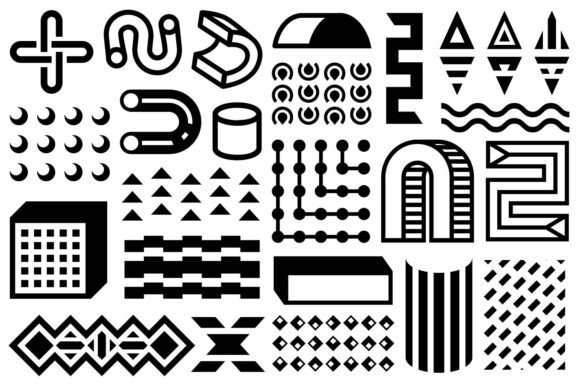
Abstract Geometric Elements for Modern Design
In the world of visual communication, simplicity often speaks louder than complexity. Abstract geometric elements have become a cornerstone of contemporary design, offering a versatile toolkit for creators who want to convey modernity, structure, and elegance without relying on literal imagery. Whether you are a seasoned graphic designer, a small business owner creating your first marketing flyer, or a hobbyist exploring digital art, understanding how to utilize these shapes can significantly elevate your work.
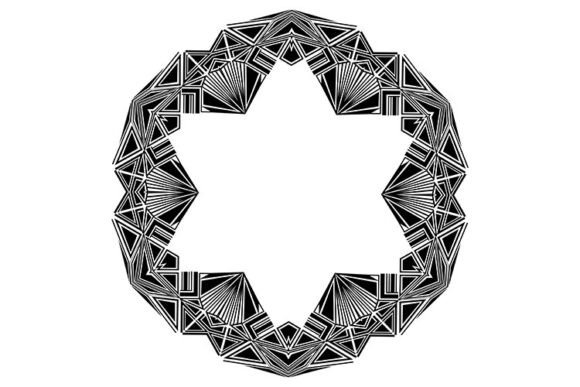
At their core, these designs are built from fundamental forms—circles, triangles, squares, and lines—but they are arranged in ways that suggest movement, balance, or abstract concepts rather than depicting specific objects. This collection of abstract decorative design elements provides a ready-made library of high-quality assets that bridge the gap between raw creativity and professional polish. By incorporating these figures into your projects, you add a layer of sophistication that is both timeless and trendy.
Why Geometric Sets Matter in Visual Storytelling
The appeal of a well-curated geometric set lies in its flexibility. Unlike complex illustrations that may dictate a very specific narrative, abstract forms are open to interpretation. They act as visual anchors that guide the viewer’s eye across a page or screen. For marketers and entrepreneurs, this is invaluable. You can use these shapes to highlight key information, separate sections of content, or create a cohesive brand identity that feels structured yet dynamic.
Consider the psychological impact of different shapes. Circles often evoke feelings of community, unity, and softness, making them ideal for wellness brands or social platforms. Triangles suggest direction, energy, and conflict, which can be powerful in sports branding or tech startups looking to appear cutting-edge. Squares and rectangles communicate stability, trust, and order, frequently used in finance and corporate sectors. When you combine these into line art designs, you strip away the weight of solid colors, allowing for a lighter, more airy aesthetic that works beautifully in minimalist layouts.
Versatile Applications for Creators and Businesses
The utility of abstract forms extends far beyond traditional print media. In today’s digital-first environment, these elements are essential for creating engaging user experiences. Here are several practical ways you can integrate these assets into your workflow:
- Brand Identity and Logos: Many modern logos rely on simplified geometric figures to create memorable icons. Using pre-made vector elements can speed up the brainstorming process, allowing you to mix and match shapes until you find a unique combination that represents your brand values.
- Social Media Graphics: Platforms like Instagram and LinkedIn favor clean, scroll-stopping visuals. Overlaying transparent PNG shapes on photos can create depth and frame your subject matter, making your posts stand out in a crowded feed.
- Web Design and UI Elements: Web designers use geometric patterns as background textures or section dividers. Because these elements are scalable, they look crisp on any device, from mobile phones to large desktop monitors. They help break up text-heavy pages, improving readability and user engagement.
- Presentation Decks: If you are an educator or corporate professional, boring slides can lose your audience quickly. Adding subtle abstract lines or shapes to your PowerPoint or Keynote presentations adds visual interest without distracting from your core message.
- Packaging Design: For product-based businesses, packaging is a silent salesman. Geometric patterns can create a premium feel on boxes, labels, and bags, suggesting quality and attention to detail.
Understanding the File Formats Included
One of the most critical aspects of choosing digital assets is ensuring they are compatible with your software and suitable for your intended output. This comprehensive pack addresses those needs by providing multiple file types, each serving a specific purpose in the design ecosystem.
For those working with raster-based programs like Photoshop or needing quick inserts for documents, the JPG files are ideal. This set includes 23 high-resolution images at 300 ppi density. This resolution ensures that when you print these elements on paper, they remain sharp and free of pixelation. However, JPGs have a solid background, which means they are best used when you want a rectangular frame or when placing them over matching background colors.
To overcome the limitation of solid backgrounds, the pack also includes 23 PNG files with transparent backgrounds, also at 300 ppi. Transparency is a game-changer for layering. You can place these abstract shapes over photographs, colored gradients, or textured backgrounds without any ugly white boxes surrounding them. This makes PNGs the go-to choice for web graphics, social media overlays, and composite images where seamless integration is key.
For professional designers and those who need ultimate flexibility, the vector formats are indispensable. The set includes 23 SVG files, which are scalable vector graphics. SVGs are perfect for web development because they are code-based, lightweight, and infinitely scalable without losing quality. Additionally, you receive 23 AI files for Adobe Illustrator and 23 EPS files (version EPS 10). These vector formats allow you to edit every anchor point, change colors instantly, and resize the graphics to the size of a billboard or a business card without any loss in clarity. The inclusion of EPS 10 ensures compatibility with older versions of design software, making this set accessible to a wider range of users.
Key Considerations for Effective Use
While having access to high-quality abstract decorative design elements is a great advantage, using them effectively requires a bit of strategic thinking. Here are some important factors to keep in mind to ensure your designs remain professional and impactful.
First, consider visual hierarchy. Just because you have access to intricate line art doesn’t mean you should use every element in one design. Overloading a layout with too many geometric figures can create visual noise, confusing the viewer. Instead, choose one or two key shapes to serve as focal points and use simpler lines for support. White space is just as important as the shapes themselves; let your design breathe.
Second, think about color harmony. While many geometric sets come in black and white or monochrome, their true potential is unlocked when you apply your brand’s color palette. Vector files make this easy, but even with JPGs and PNGs, you can use blending modes in your editing software to tint the shapes. Ensure that the colors you choose contrast well with your background to maintain readability and visual appeal.
Third, be mindful of context and tone. Abstract geometry can feel cold or sterile if not balanced with other design elements. If you are designing for a warm, human-centric brand, consider pairing these sharp lines with organic photography or soft typography. Conversely, if you are aiming for a high-tech, futuristic look, lean into the precision of the shapes with sleek, sans-serif fonts and cool color tones.
Finally, always check the licensing terms associated with the assets. While this pack is designed for broad usability, understanding whether you can use these elements in commercial products, logos, or resale items is crucial for protecting your business. Most standard packs allow for extensive commercial use in end-products, but restrictions often apply to reselling the raw files themselves.
By integrating these abstract geometric elements into your creative toolkit, you gain the ability to produce polished, professional-grade designs with efficiency. Whether you are crafting a new logo, sprucing up a website, or designing a presentation, these shapes provide the structural foundation needed to communicate your message clearly and stylishly. Embrace the versatility of vector and raster formats, experiment with composition, and let the simplicity of geometry enhance your visual storytelling.