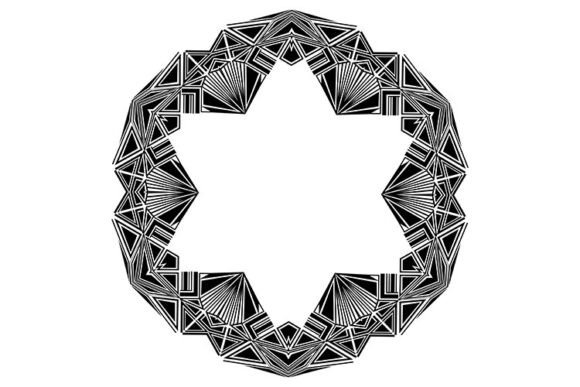
Understanding the Abstract Round Art Deco Ornament: A Guide to Retro Geometric Design
The resurgence of vintage aesthetics in modern interior design and digital media has brought renewed attention to specific stylistic elements that define an era. Among these, the Abstract Round Art Deco Ornament stands out as a versatile and visually striking component. This design element combines the strict geometric discipline of the 1920s and 1930s with the fluidity of abstract art, resulting in a circular motif that is both structured and dynamic. For designers, decorators, and creative professionals, understanding the nuances of this style is essential for making informed decisions about its application.
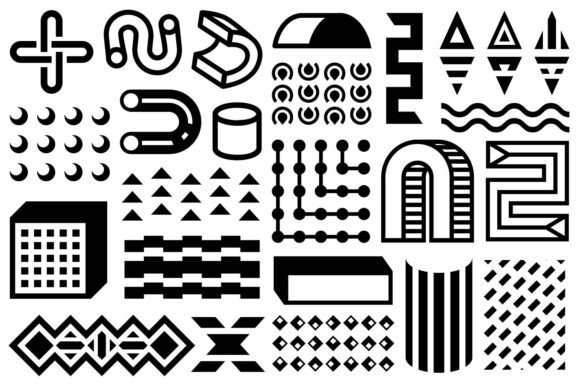
When evaluating resources for creative projects, one often encounters files labeled as decorative geometric round ornaments in a retro Art Deco style. These assets typically come in multiple formats, most commonly including EPS (Encapsulated PostScript) and JPG (Joint Photographic Experts Group) files. The availability of these specific formats is not merely a technical detail but a critical factor in determining how the ornament can be used across different mediums, from large-scale wall murals to high-resolution digital prints.
Defining the Aesthetic: Geometry Meets Abstraction
To appreciate the value of an Abstract Round Art Deco Ornament, it is necessary to distinguish it from other circular design motifs. Traditional Art Deco is characterized by symmetrical patterns, sunburst motifs, and stepped forms. However, the "abstract" variation introduces a layer of complexity. It may deconstruct traditional symmetry, utilizing overlapping arcs, fragmented lines, and irregular geometric shapes within a circular boundary. This approach retains the luxury and sophistication associated with the Art Deco period while offering a more contemporary, less rigid visual language.
The "round" aspect is crucial. Circular designs inherently draw the eye inward, creating a focal point. In interior design, a round ornament can soften the hard lines of rectangular furniture or architectural features. In graphic design, it serves as an effective container for logos, text, or central imagery. The interplay between the curved outer boundary and the angular internal geometry creates a visual tension that is engaging without being overwhelming.
File Formats and Their Practical Implications
When sourcing an Abstract Round Art Deco Ornament, the included file types dictate its utility. Most professional-grade resources include both EPS and JPG files, each serving distinct purposes in the workflow.
- EPS Files: This vector format is indispensable for scalability. Because EPS files use mathematical paths rather than pixels, the ornament can be resized from the dimensions of a business card to that of a building wrap without any loss in quality. For professionals working in Adobe Illustrator, CorelDRAW, or similar vector-based software, the EPS file allows for full editability. Colors can be adjusted to match specific brand palettes, and individual geometric elements can be modified or removed. This flexibility makes the EPS format the superior choice for print production, signage, and custom merchandise.
- JPG Files: While less flexible than vectors, JPGs are universally compatible and ready for immediate use. They are ideal for web design, social media graphics, and quick mockups where editing is not required. However, users must be mindful of resolution. A low-resolution JPG will appear pixelated when printed or viewed on high-density screens. High-quality resources provide JPGs at 300 DPI (dots per inch) or higher to ensure clarity in standard printing applications.
Choosing between these formats depends largely on the end use. If the goal is a one-time digital post, a JPG may suffice. For a comprehensive branding project or physical product line, the EPS file is non-negotiable.
Comparing Art Deco Ornaments with Other Design Styles
Designers often weigh the Abstract Round Art Deco Ornament against other popular styles. Understanding these comparisons helps in selecting the right aesthetic for a specific project.
Art Deco vs. Mid-Century Modern
Mid-Century Modern design, popular from the 1940s to the 1960s, also utilizes geometric shapes but tends toward organic curves and softer, earthier tones. In contrast, the Art Deco ornament is sharper, more glamorous, and often employs high-contrast color schemes such as black and gold or deep navy and silver. If a project aims for a cozy, lived-in feel, Mid-Century Modern may be more appropriate. However, for spaces or brands seeking to convey luxury, precision, and drama, the Art Deco style is the stronger candidate.
Art Deco vs. Minimalist Geometry
Minimalist design strips away ornamentation entirely, focusing on negative space and basic forms. An Abstract Round Art Deco Ornament is inherently decorative. While it can be simplified, its purpose is to add visual interest and texture. Minimalist geometry might be preferred for tech startups or healthcare brands seeking cleanliness and trust. Art Deco geometry suits hospitality, fashion, beauty, and entertainment sectors where atmosphere and elegance are paramount.
Best-Fit Situations and Use Cases
The versatility of the Abstract Round Art Deco Ornament allows it to function effectively in various contexts. Identifying the best-fit situation ensures the design enhances rather than distracts from the overall message.
- Interior Decor and Wall Art: Large-scale prints of these ornaments work well as statement pieces in living rooms, lobbies, or dining areas. The circular shape helps balance rectangular walls, and the geometric details add depth without requiring complex imagery.
- Packaging Design: For premium products such as cosmetics, spirits, or confectionery, an Art Deco ornament can elevate the perceived value. Used as a seal, a background pattern, or a frame for the logo, it communicates heritage and quality.
- Event Stationery: Weddings, galas, and corporate events often benefit from the formal elegance of Art Deco. Invitations, menus, and programs featuring these ornaments create a cohesive and sophisticated theme.
- Digital Branding: When adapted correctly, these ornaments can serve as unique social media templates or website headers. The key is to ensure the complexity of the design does not interfere with readability on smaller screens.
Limitations and Considerations
While the Abstract Round Art Deco Ornament offers significant aesthetic benefits, it is not a universal solution. There are tradeoffs to consider.
Visual Complexity: Highly detailed geometric patterns can become visually noisy if overused. In web design, excessive ornamentation can slow down load times if not optimized properly and can distract users from primary calls to action. It is often best used as an accent rather than a dominant background.
Contextual Mismatch: The strong association of Art Deco with luxury and the past can clash with brands aiming for a futuristic, eco-friendly, or casual image. A sustainable organic food brand, for example, might find the metallic, industrial feel of typical Art Deco designs incongruent with their values.
Color Dependency: The impact of an Art Deco ornament is heavily reliant on color choice. Traditional palettes work well for vintage themes, but modernizing the style requires careful selection of contemporary colors. Poor color choices can make the design look dated rather than retro-chic.
Making an Informed Decision
Selecting the right design asset involves balancing aesthetic preference with practical requirements. When considering an Abstract Round Art Deco Ornament, ask the following questions:
- Does the project require scalability? If yes, prioritize resources that include EPS files.
- What is the target audience’s perception of luxury and tradition? Art Deco resonates strongly with audiences who appreciate craftsmanship and history.
- How will the ornament be applied? For print, ensure high-resolution JPGs or vectors are available. For digital use, check file sizes and compatibility.
- Does the existing brand identity support geometric complexity? If the current branding is minimalist, introducing an Art Deco element may require a broader redesign to maintain cohesion.
In conclusion, the Abstract Round Art Deco Ornament is a powerful design tool when used appropriately. Its blend of geometric precision and abstract flair offers a unique way to inject elegance and visual interest into various projects. By understanding the technical aspects of file formats like EPS and JPG, recognizing the stylistic differences from other movements, and acknowledging the limitations, creators can make informed choices. Whether for a physical product or a digital campaign, this retro style remains a relevant and impactful option for those seeking to convey sophistication and timeless appeal.