Arabic Ornamental Laser Cut Designs: A Guide to Precision, Style, and Application
The intersection of traditional craftsmanship and modern digital fabrication has opened new avenues for designers, architects, and hobbyists. Among the most visually striking categories in this space is Arabic ornamental laser cut designs. These patterns, rooted in centuries of Islamic art and architecture, offer a unique blend of geometric precision and organic fluidity. For those looking to elevate home décor, wedding installations, or commercial interiors, understanding the nuances of these designs is essential. This guide explores the distinct characteristics of Arabic ornamental patterns, compares them with other stylistic options, and provides practical advice on selecting the right files for your specific manufacturing needs.
Understanding the Distinct Appeal of Arabic Ornamentation
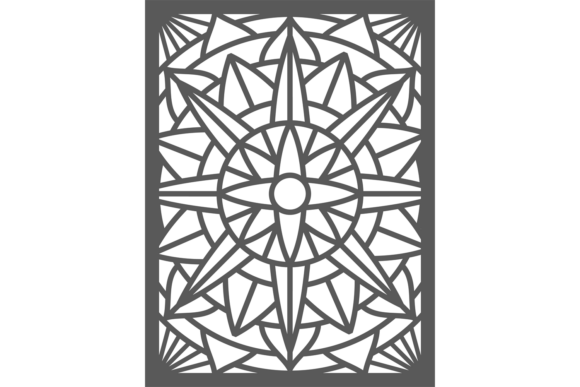
Arabic ornamental design, often referred to as Arabesque, is characterized by intricate interlacing lines, floral motifs, and complex geometric structures. Unlike minimalist modern designs that rely on negative space and simplicity, Arabic patterns thrive on density and repetition. The aesthetic appeal lies in the infinite extendability of the pattern, symbolizing the infinite nature of creation in Islamic philosophy. When translated into laser cut designs, this complexity presents both an opportunity and a challenge.
The primary distinction of Arabic ornamental laser cut files is their structural integrity despite high detail. A well-crafted vector file for this style must balance aesthetic intricacy with physical durability. If the lines are too thin, the material may break during cutting or handling. If the connections are too sparse, the panel may lack rigidity. Therefore, high-quality Arabic SVG bundles are engineered with specific line weights and bridge points that ensure the final product remains intact whether cut from wood, acrylic, or metal.
Comparing Arabic Patterns with Other Design Styles
When evaluating decorative cut files, it is helpful to compare Arabic ornamental styles with other popular categories such as Mandalas, Modern Geometric, and Floral Victorian patterns. Each style serves different functional and aesthetic purposes.
- Arabic vs. Mandala: While both styles feature radial symmetry and intricate details, Mandalas are typically circular and self-contained. Arabic patterns are often rectangular or arch-shaped, making them more suitable for window panels, room dividers, and door screens. The linear flow of Arabic designs allows for easier tiling and scaling across large surfaces compared to the isolated nature of many mandala designs.
- Arabic vs. Modern Geometric: Modern geometric cuts often use bold, thick lines and large open spaces. They are faster to cut and require less post-processing. In contrast, Arabic ornamental designs require slower cutting speeds and higher precision due to the fine details. However, the visual impact of Arabic patterns is generally perceived as more luxurious and traditional, whereas modern geometric styles lean towards contemporary minimalism.
- Arabic vs. Floral Victorian: Victorian styles rely on organic, curvilinear shapes that can be difficult to optimize for laser cutting without leaving charred edges on wood. Arabic designs, with their stronger emphasis on geometric underpinnings, often result in cleaner cuts and sharper definitions, especially in materials like acrylic and MDF.
Choosing between these styles depends largely on the intended application. For a modern office partition, a geometric style might suffice. For a wedding backdrop or a traditional living room feature wall, the elegance of Islamic art-inspired vectors offers a timeless sophistication that other styles may not achieve.
Material Considerations and Technical Tradeoffs
The suitability of Arabic ornamental laser cut designs varies significantly depending on the material used. Understanding these tradeoffs is crucial for achieving a professional finish.
Wood and MDF
Wood is the most common medium for these designs. The warmth of natural grain complements the traditional aesthetic of Arabesque patterns. However, intricate designs in thin wood (under 3mm) can be fragile. For structural panels, such as room dividers, it is advisable to use 6mm MDF or plywood. The tradeoff here is weight and cutting time; thicker materials require slower laser speeds and more powerful machines, but they yield a sturdier final product.
Acrylic and Plexiglass
For a more contemporary look, acrylic is an excellent choice. Arabic patterns cut from mirrored or translucent acrylic create stunning light-play effects, ideal for lighting fixtures or decorative screens. The precision of laser cutting ensures clean edges on acrylic, but designers must account for the brittleness of the material. Complex, thin tendrils in Arabic designs may snap if not properly supported during handling. Using high-resolution EPS or SVG files ensures that the cut paths are smooth, reducing stress points in the plastic.
Paper and Cardstock
For wedding invitations, greeting cards, or temporary event décor, paper crafting is a viable option. Arabic patterns translate beautifully into layered paper art. The key advantage here is cost-effectiveness and ease of production using desktop cutters like Cricut or Silhouette. However, the complexity of the design must be adjusted; overly dense patterns can become difficult to weed (remove excess paper) and may tear easily. Simplified versions of Arabic ornamental designs are often preferred for paper crafts.
Digital Formats and Compatibility
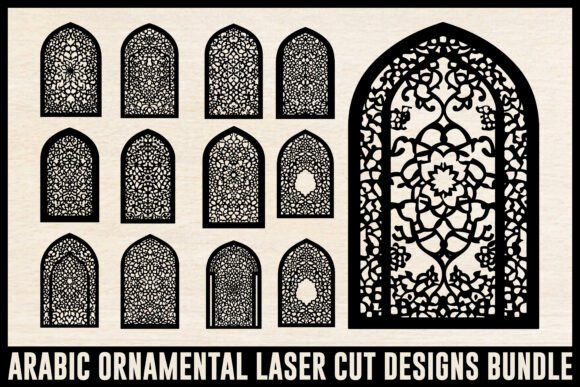
One of the most critical aspects of purchasing digital cut files is format compatibility. A comprehensive bundle, such as one containing 15 unique Arabic ornamental patterns, should offer multiple file types to accommodate various software and hardware setups.
- SVG (Scalable Vector Graphics): The industry standard for web-based design tools and many consumer-grade cutting machines. SVGs are resolution-independent, meaning they can be scaled to any size without losing quality. This is ideal for users working with Cricut Design Space or Silhouette Studio.
- DXF (Drawing Exchange Format): Preferred by professionals using CAD software and industrial CNC machines. DXF files preserve precise layer information and tool paths, making them essential for large-scale architectural applications.
- EPS (Encapsulated PostScript): A versatile vector format compatible with Adobe Illustrator and CorelDRAW. EPS files are excellent for designers who need to edit the nodes and curves of the Arabic patterns before sending them to the cutter.
- PNG and JPG: While not vector formats, high-resolution raster images are useful for previewing designs, creating mockups, or using in sublimation printing. They should not be used for direct laser cutting unless converted to vectors, which can result in loss of precision.
When evaluating a digital download, ensure that the files are "clean." This means no stray nodes, overlapping lines, or open paths. Clean vector lines reduce cutting errors and machine wear. A high-quality Arabic laser cut bundle will have pre-optimized files ready for instant use, saving designers hours of cleanup time.
Commercial Use and Business Applications
For small business owners and Etsy sellers, the licensing terms of digital assets are paramount. Many creators seek commercial use allowed files to produce physical goods for sale. Arabic ornamental designs are particularly popular in the wedding décor market, where custom room dividers, table centerpieces, and invitation overlays command premium prices.
Using a bundled collection offers a competitive advantage. Instead of purchasing individual designs, a bundle provides a cohesive library of styles. This allows businesses to offer clients a variety of options—from simple arches to complex window screens—without sourcing files from multiple vendors. Consistency in design quality and line weight across a bundle ensures a uniform brand aesthetic.
However, buyers should always verify the specific license agreement. Some creators allow unlimited physical sales but prohibit the resale of the digital files themselves. Others may require attribution or have limits on the number of units produced. Understanding these boundaries protects your business from intellectual property issues.
Decision Factors: When to Choose Arabic Ornamental Designs
Deciding whether Arabic ornamental laser cut designs are the right choice for your project involves assessing several factors:
- Aesthetic Goal: If the project requires a sense of heritage, elegance, or cultural richness, Arabic patterns are unmatched. They are less suitable for ultra-minimalist or industrial-chic environments unless used as a contrasting accent.
- Machine Capability: Ensure your laser cutter or CNC machine can handle the level of detail. Intricate Arabesque patterns require a machine with good motion control and a focused beam. Hobbyist diode lasers may struggle with very fine details in thick materials, whereas CO2 lasers perform better.
- End-Use Durability: For high-traffic areas, consider the structural strength of the pattern. Dense Arabic designs in metal or thick wood offer excellent durability. For temporary events, paper or thin acrylic versions are cost-effective and visually impactful.
- Customization Needs: If you plan to modify the designs extensively, ensure you have access to editable vector formats like EPS or AI. Pre-made SVGs are convenient but may limit deep customization.
In conclusion, Arabic ornamental laser cut designs represent a sophisticated fusion of art and technology. They offer versatility across materials and applications, from intimate paper crafts to large-scale architectural screens. By understanding the technical requirements, material tradeoffs, and stylistic comparisons, designers and makers can make informed decisions that enhance the quality and appeal of their projects. Whether you are a seasoned professional or a passionate hobbyist, integrating these timeless patterns into your workflow can elevate your creative output with precision and grace.