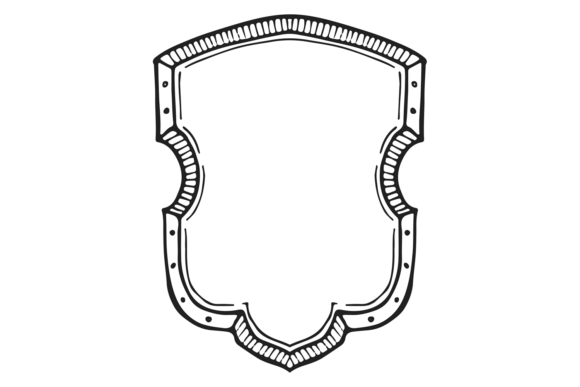
Mastering the Geometric Shield Border Engraving: A Comprehensive Guide to Design and Application
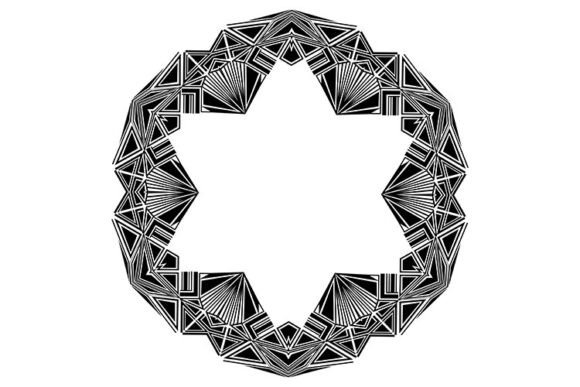
In the realm of digital design and physical craftsmanship, the intersection of symmetry and protection creates a powerful visual language. The geometric shield border engraving stands as a testament to this union, offering a versatile aesthetic that bridges historical heraldry with modern minimalism. Whether utilized for branding, architectural detailing, or digital interface elements, this specific design motif commands attention through its structured precision. Understanding the nuances of an empty decorative frame isolated on a white background is essential for designers, manufacturers, and hobbyists alike who seek to leverage this timeless symbol effectively.
The Anatomy of Geometric Precision
At its core, a geometric shield is defined by mathematical consistency. Unlike organic shapes that rely on freehand fluidity, the shield border engraving depends on exact angles, curves, and proportions. The term "empty" in this context does not imply a lack of value; rather, it signifies potential. An empty decorative frame serves as a vessel, ready to house text, logos, or intricate inner patterns. When isolated on a white background, the clarity of the lines becomes paramount. Every vertex and arc must be crisp, ensuring that the design remains legible and impactful regardless of scale.
The engraving aspect introduces a layer of depth and texture. In digital representations, this is often simulated through shading and line weight variation. In physical applications, such as laser cutting or CNC machining, the engraving creates tangible grooves that catch light and shadow. This duality allows the geometric shield border engraving to function effectively across both two-dimensional screens and three-dimensional objects. The rigidity of the geometry provides a sense of stability and trust, qualities that are highly sought after in corporate branding and security-related imagery.
Versatility Through File Formats: EPS, JPG, SVG, and PNG
The utility of any digital asset is heavily dependent on its file format. For a design element as structurally dependent as a shield border, having access to multiple formats is not just a convenience—it is a necessity. Each format serves a distinct purpose in the workflow of creators and professionals.
- EPS (Encapsulated PostScript): This vector format is the gold standard for print production. When working with a geometric shield border engraving, EPS files ensure that the lines remain sharp whether the design is printed on a business card or a billboard. Vector data allows for infinite scalability without pixelation, preserving the integrity of the geometric angles.
- SVG (Scalable Vector Graphics): Ideal for web development, SVGs offer the same scalability as EPS but are optimized for browsers. They allow developers to manipulate the shield’s color, stroke width, and animation properties via CSS. This makes the empty decorative frame highly interactive and adaptable to responsive design needs.
- JPG (Joint Photographic Experts Group): While not scalable, JPGs are universally compatible and efficient for static previews or social media sharing. An isolated JPG on a white background provides a quick visual reference for clients or collaborators who may not have vector editing software.
- Transparent PNG (Portable Network Graphics): This format is crucial for compositing. A transparent PNG allows the geometric shield to be overlaid on photographs, colored backgrounds, or textured surfaces without the interference of a white box. It preserves the anti-aliased edges, ensuring a professional finish in digital compositions.
By providing the design in EPS, JPG, SVG, and transparent PNG formats, creators ensure that the geometric shield border engraving can be seamlessly integrated into diverse projects, from high-end packaging to dynamic website headers.
Applications Across Industries
The appeal of the empty decorative frame extends far beyond mere aesthetics. Its structural symbolism lends itself to various practical applications across multiple sectors. Understanding these use cases helps professionals identify where this design element can add the most value.
Branding and Corporate Identity
Shields have long been associated with protection, heritage, and authority. In corporate branding, a geometric shield border can convey reliability and strength. Financial institutions, law firms, and cybersecurity companies often utilize such motifs to instill confidence in their clients. The "empty" nature of the frame allows the company logo or name to take center stage, framed by the implicit promise of security. The clean lines of the geometric design align well with modern corporate trends that favor minimalism over ornate decoration.
Packaging and Product Design
In the retail sector, packaging acts as the silent salesman. An engraved shield border on product labels can elevate the perceived value of an item. For luxury goods, such as spirits, cosmetics, or artisanal foods, the intricate details of a geometric engraving suggest craftsmanship and attention to detail. When printed using foil stamping or embossing techniques, the shield border adds a tactile dimension that encourages consumer interaction. The isolated design allows for flexible placement on boxes, bottles, and tags, adapting to various package shapes.
Digital User Interfaces
In app and web design, icons and frames guide user interaction. A geometric shield can serve as a badge for verified accounts, security settings, or achievement milestones. The SVG format enables these shields to change color or animate upon user interaction, providing immediate visual feedback. The simplicity of the empty frame ensures that it does not clutter the interface, maintaining a clean and user-friendly experience while still conveying important status information.
Design Considerations and Best Practices
While the geometric shield border is versatile, its effective implementation requires careful consideration of design principles. Missteps in proportion or complexity can diminish its impact. Here are key factors to keep in mind when utilizing this element.
Balance and Proportion: The symmetry of a shield is its defining characteristic. Any asymmetry must be intentional and balanced. When customizing the geometric patterns within the border, ensure that the visual weight is evenly distributed. An unbalanced design can feel unstable, contradicting the symbolic meaning of the shield.
Line Weight and Clarity: For engraving purposes, line weight is critical. Lines that are too thin may disappear during printing or cutting, while lines that are too thick can obscure the geometric intricacies. Test the design at various sizes to ensure that the details remain visible. In digital formats, adjust stroke widths to maintain clarity on both high-resolution retina displays and standard screens.
Contextual Harmony: The shield should complement, not compete with, the content it frames. If the central element is complex, keep the border simple. Conversely, a minimalist logo can be enhanced by a more intricate geometric border. The goal is to create a harmonious relationship between the frame and the focal point.
The Evolution of Heraldic Motifs in Modern Design
The transition from traditional heraldry to modern geometric design reflects broader cultural shifts. Historically, coats of arms were dense with symbolism, color, and organic shapes. Today’s interpretation strips away the excess, focusing on form and structure. This evolution mirrors the modern preference for clarity and efficiency. The geometric shield border engraving is a contemporary reinterpretation of an ancient symbol, stripped of its aristocratic exclusivity and made accessible through digital tools.
This democratization of design allows hobbyists and small business owners to access high-quality assets previously reserved for large agencies. The availability of isolated files on white backgrounds simplifies the integration process, enabling users to focus on creativity rather than technical preparation. As design tools become more advanced, the potential for customizing these shields expands, allowing for unique variations that maintain the core geometric integrity while reflecting individual brand identities.
Technical Implementation for Creators
For those looking to integrate a geometric shield into their workflow, the process begins with selecting the right base file. Start with the SVG or EPS file for maximum flexibility. Use vector editing software to adjust colors, remove unnecessary nodes, and optimize the path for smooth curves. If the design is intended for physical engraving, verify the compatibility of the file with your machinery’s software. Ensure that all paths are closed and that there are no overlapping lines that could cause cutting errors.
When preparing the asset for web use, optimize the SVG code to reduce file size without compromising quality. Remove metadata and unused definitions. For raster formats like PNG, export at twice the intended display size to ensure sharpness on high-density screens. Always check the transparency settings to ensure that the background is truly transparent, avoiding any halo effects around the edges of the shield.
In conclusion, the geometric shield border engraving is more than a decorative element; it is a functional tool for communication. Its ability to convey strength, precision, and elegance makes it a valuable asset in any designer’s toolkit. By understanding the technical requirements and strategic applications of this motif, professionals can harness its power to create compelling and effective visual narratives. Whether isolated on a white background or integrated into a complex composition, the empty decorative frame remains a timeless symbol of structured beauty.