Natural Ornament: Integrating Art Nouveau Elegance into Modern Design Workflows
In the fast-paced world of digital design and interior styling, finding assets that balance aesthetic beauty with technical versatility is a constant challenge. Natural Ornament emerges as a solution for creators who value both historical elegance and modern functionality. This pattern draws its inspiration directly from the organic world, specifically focusing on the structural grace of flowers like lilies and irises. By capturing the essence of the Art Nouveau style, it combines flowing lines and graceful shapes to create a visual sense of movement and harmony. For professionals and hobbyists alike, understanding how to integrate this asset into existing workflows can significantly enhance the quality and emotional resonance of a project.
Understanding the Aesthetic Foundation
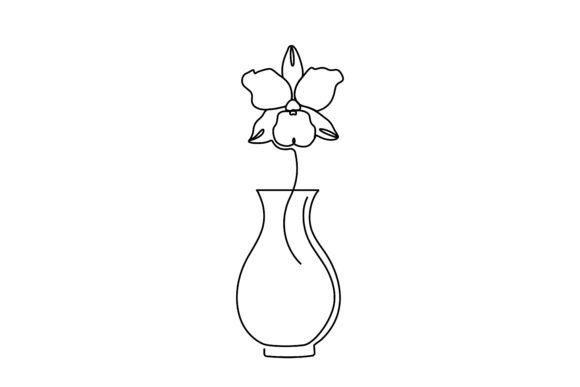
Before implementing any design element, it is crucial to understand its visual language. The Natural Ornament is not merely a decorative overlay; it is a structured composition rooted in the principles of Art Nouveau. This late 19th-century art movement rejected rigid industrial geometry in favor of sinuous, asymmetrical lines found in nature. The specific focus on lilies and irises provides a botanical accuracy that grounds the design in reality, while the stylized execution elevates it to an artistic interpretation.
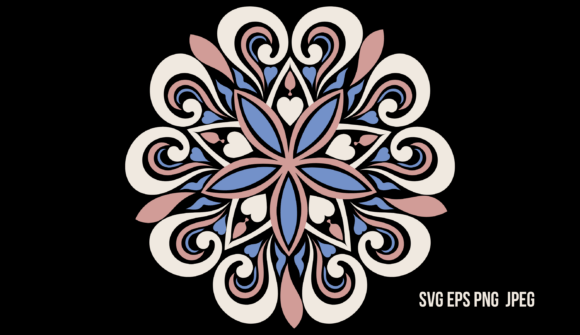
The color palette plays a pivotal role in the usability of this pattern. Featuring delicate shades of gold, blue, and cream, the design avoids the harsh contrasts often seen in modern minimalism. Instead, it offers softness and elegance. Gold adds a touch of luxury and warmth, blue provides calm and depth, and cream serves as a neutral bridge that ensures readability and visual comfort. For marketers and brand designers, this triad offers a sophisticated alternative to standard corporate colors, allowing for the creation of materials that feel curated and high-end.
Strategic Placement in the Creative Process
Integrating Natural Ornament into a project requires thoughtful planning regarding where it fits in the production timeline. It is rarely a standalone product but rather a enhancing element that supports a broader narrative or functional goal.
Pre-Production and Conceptualization
During the initial phases of a project, such as mood boarding or brand identity development, this pattern can serve as a foundational texture. For interior decorators, using the SVG or EPS formats allows for rapid scaling and manipulation to test how the motif interacts with various spatial dimensions. At this stage, the goal is to determine if the flowing lines complement the architectural features of a room or the layout of a digital interface. The organic shapes can soften rigid grid systems, providing a visual counterpoint that guides the eye naturally across a space or screen.
Execution and Asset Integration
Once the concept is approved, the practical implementation begins. The availability of the design in multiple formats—SVG, PNG, EPS, and JPEG—ensures compatibility with a wide range of software tools. For web developers and UI designers, the SVG format is particularly valuable. It allows for infinite scalability without loss of quality, ensuring that the delicate lines of the lilies and irises remain crisp on high-resolution displays. Furthermore, SVGs are code-based, meaning developers can manipulate the gold, blue, and cream colors via CSS to match dynamic theme requirements or dark mode settings without needing to edit the original graphic file.
For print professionals and textile manufacturers, the EPS format provides the vector precision necessary for large-format printing or fabric weaving. The seamless nature of the pattern means it can be tiled extensively for wallpaper, upholstery, or packaging without visible breaks, maintaining the illusion of continuous organic growth. This reduces the time spent on manual adjustments and ensures consistency across large surface areas.
Workflow Compatibility and Technical Considerations
Efficiency in design workflows often depends on how well assets interact with existing tools. Natural Ornament is designed to be non-intrusive yet impactful. When working in layered environments like Adobe Photoshop or Illustrator, placing the pattern on separate layers allows for easy adjustment of opacity and blending modes. Using "Multiply" or "Overlay" modes can integrate the gold and blue tones into underlying textures, creating a rich, composite look that feels inherent to the material rather than applied on top.
Quality control is another critical factor. Because the design relies on fine, flowing lines, resolution matters. When using the JPEG or PNG formats for web content, ensure that compression settings do not introduce artifacts that disrupt the smooth curves. Vector formats (SVG and EPS) eliminate this risk entirely for digital and print outputs, respectively. For educators and publishers creating educational materials or book covers, this reliability ensures that the final product maintains a professional appearance regardless of the output medium.
Practical Use Cases Across Industries
The versatility of Natural Ornament allows it to serve diverse professional needs. Here are several practical applications where this asset adds value:
- Interior Decoration: Use the pattern for accent walls, custom tile designs, or printed fabrics for curtains and cushions. The soft color palette integrates well with both modern minimalist and traditional vintage interiors.
- Textile Design: Fashion designers can incorporate the motif into scarf prints, dress patterns, or embroidery guides. The flowing lines mimic the drape of fabric, enhancing the garment's movement.
- Graphic Design and Branding: Ideal for luxury brands, wedding invitations, and packaging. The elegance of the gold and cream tones communicates premium quality and attention to detail.
- Digital Media: Bloggers and content creators can use the PNG version as a subtle background for quotes or headers, adding visual interest without distracting from the text.
Optimizing for Long-Term Usability
To maximize the return on investment for design assets, organization is key. When downloading the Natural Ornament package, establish a consistent file naming convention and folder structure. Store the vector files (SVG, EPS) separately from raster files (PNG, JPEG) to prevent accidental usage of the wrong format during urgent deadlines. Tagging these files with relevant keywords such as "Art Nouveau," "floral," "gold," and "vintage" in your digital asset management system will facilitate quick retrieval for future projects.
Consistency in application also builds brand recognition. If a business adopts this pattern as part of its visual identity, it should be applied uniformly across all touchpoints. Whether it appears on a business card, a website footer, or store signage, the scale and color ratios should remain consistent. This reinforces the brand’s aesthetic coherence and professionalism.
Enhancing Harmony and Movement in Design
The core strength of this pattern lies in its ability to create a sense of movement. Unlike static geometric patterns, the curvilinear forms of the lilies and irises guide the viewer’s eye through the composition. In user experience (UX) design, this can be leveraged to direct attention toward call-to-action buttons or important information. In physical spaces, it can lead visitors through a room or highlight specific architectural features.
Furthermore, the harmony achieved through the balanced color palette reduces visual fatigue. For environments where people spend extended periods, such as offices or healthcare facilities, the soothing combination of blue and cream promotes calmness, while the gold accents add a layer of sophistication that prevents the space from feeling sterile.
Final Thoughts on Implementation
Adopting Natural Ornament into your creative toolkit is more than just adding a pretty image; it is about leveraging a historically rich design language to solve modern visual problems. By understanding the technical specifications of the available formats and strategically placing the pattern within your workflow, you can achieve results that are both efficient and aesthetically pleasing. Whether you are a freelancer looking to elevate a client’s brand, a small business owner designing packaging, or an educator creating engaging materials, this Art Nouveau-inspired asset offers the flexibility and elegance needed to stand out in a crowded visual landscape. Focus on preparation, compatibility, and consistent application to ensure that the natural beauty of the design translates effectively into your final outcomes.